

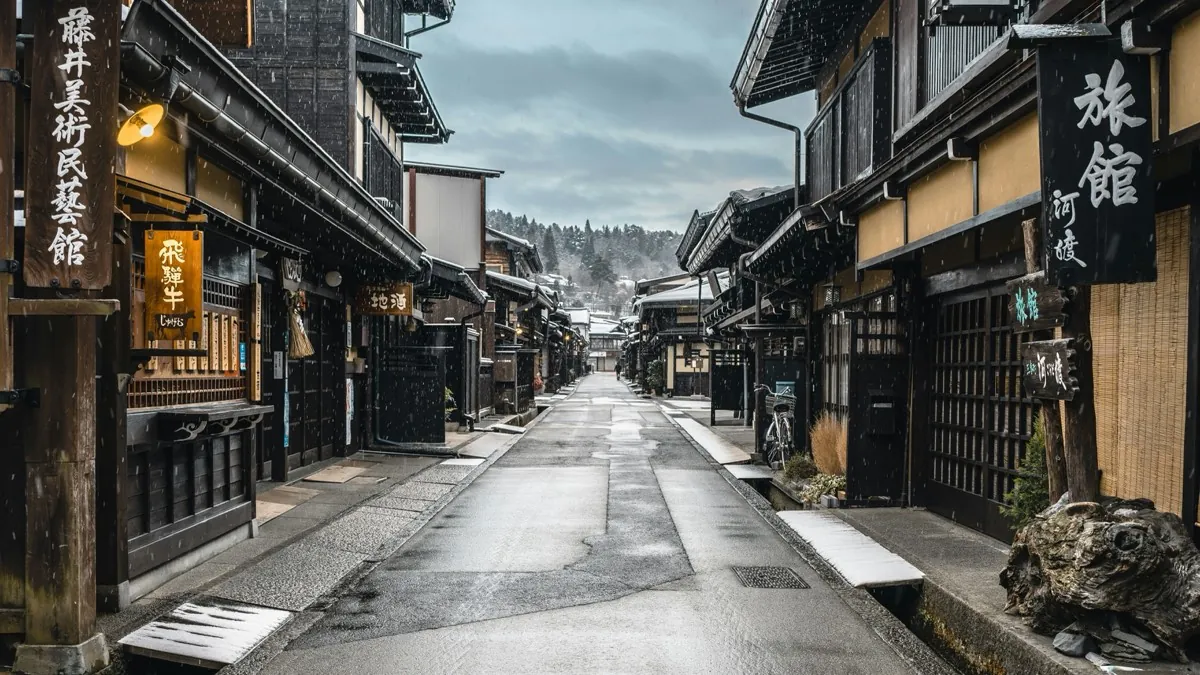
Sanmachi Suji
The historic heart of Takayama: three parallel streets with dark wooden houses, sake breweries marked with green cedar balls (sugidama) at the door and local craft shops. Best in the morning before the crowds.

Nestled in the Hida region, Takayama has managed to keep its 17th-century old town almost intact. The Sanmachi Suji street, the sake breweries with cedar barrels at their doors and the morning markets by the river make this town one of the most special stops on any route through inland Japan.
Takayama is not on the shinkansen, but its accessibility by express bus from Matsumoto or Nagoya makes it a realistic stop for routes of 10 days or more. It combines beautifully with Shirakawa-go (50 min by bus) and with Kanazawa, forming the most popular inland circuit between Tokyo and the Kansai region. One or two nights are enough to see it at a relaxed pace.
See also: Kanazawa guide · Tokyo guide · Kyoto guide
The old town is compact and perfectly walkable. The trip to Shirakawa-go requires an additional bus but is very much worth it.
The historic heart of Takayama: three parallel streets with dark wooden houses, sake breweries marked with green cedar balls (sugidama) at the door and local craft shops. Best in the morning before the crowds.
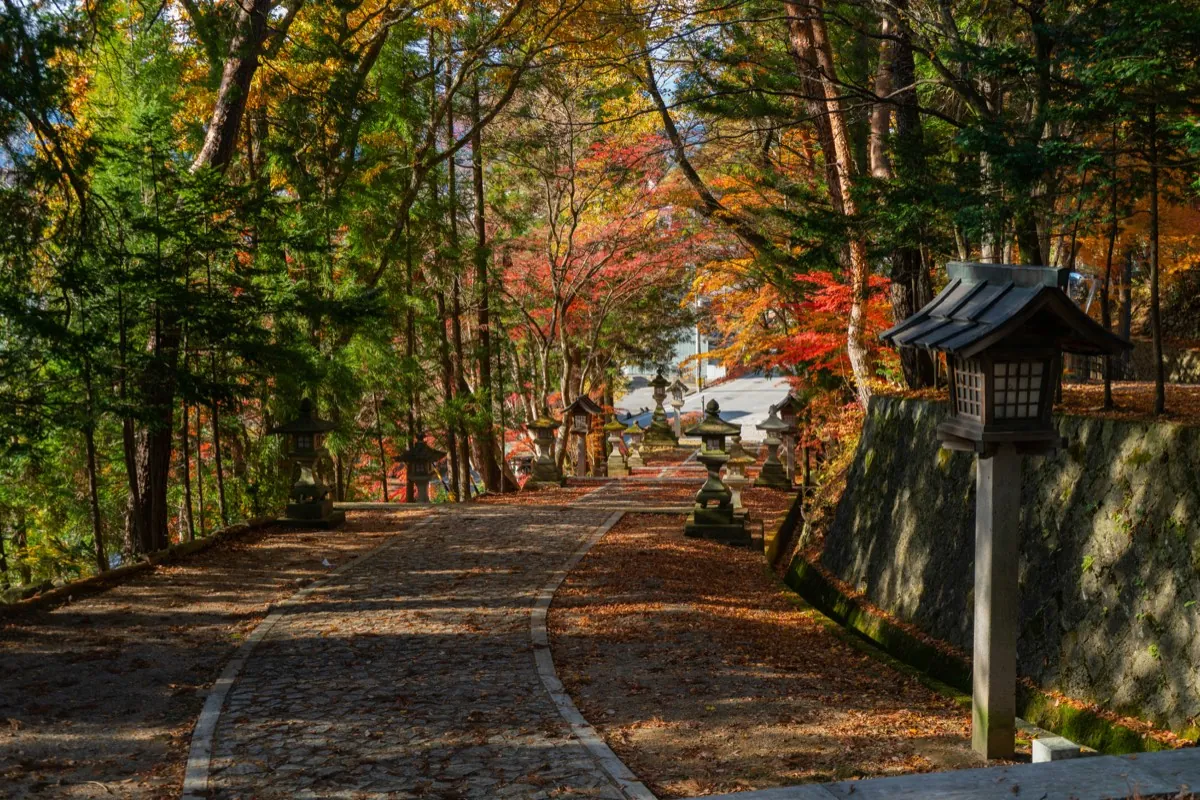
Takayama is famous for the Takayama Matsuri, one of the three most beautiful festivals in Japan, with its yatai floats at the Hie (spring) and Sakurayama Hachimangu (autumn) shrines. The rest of the year, its shrines among cedars and maples invite a quiet stroll.
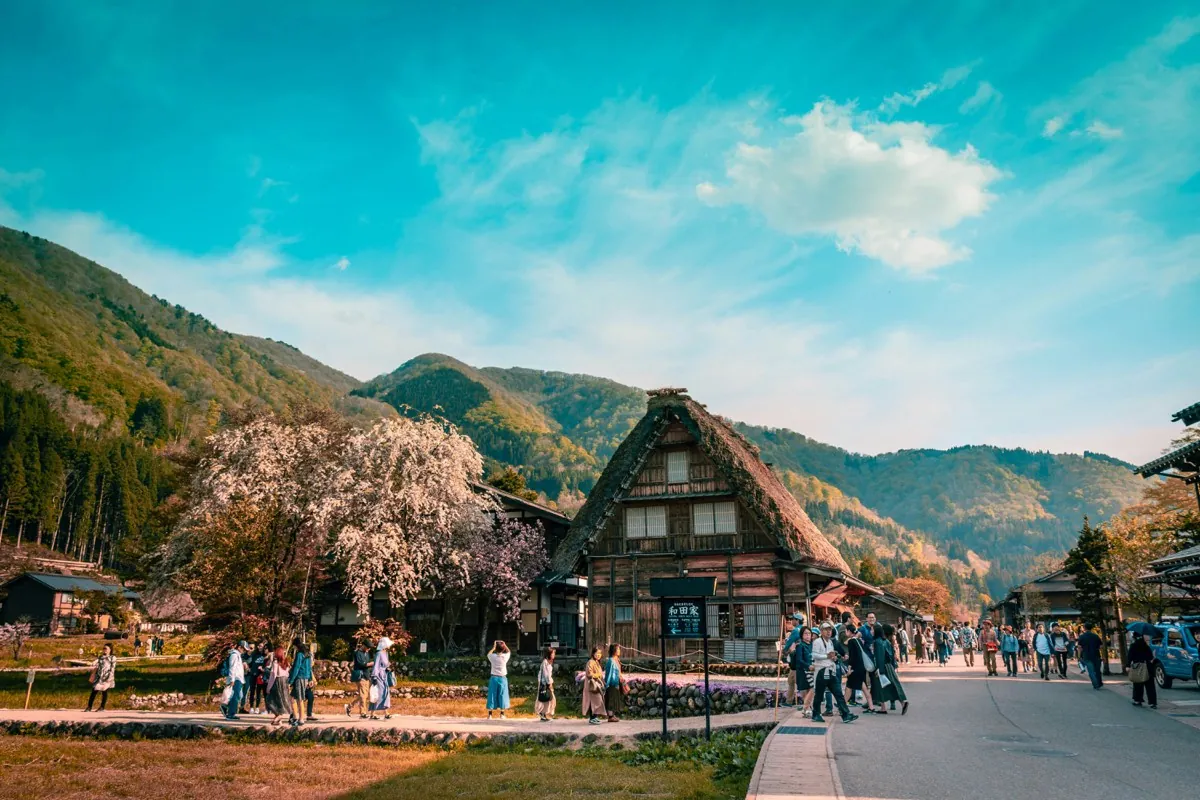
50 minutes away by bus, the villages of Shirakawa-go and Gokayama are World Heritage Sites for their gassho-zukuri houses with steep thatched roofs. The contrast between snow in winter and green in summer is spectacular.
Recommended plans, sights and experiences, with budget guidance and direct links.
Takayama fits well into a route between Tokyo and Kyoto that avoids the direct shinkansen. The Takayama-Matsumoto-Tokyo express bus or the route via Nagoya are the most common options. Combine it with Shirakawa-go and Kanazawa to make the most of the inland detour. To see whether it fits into your available days, check the itineraries by duration.
The most direct option is the Nohi express bus from Shinjuku (approx. 5.5 h). You can also go by train to Nagoya and then take the Limited Express Hida (approx. 2.5 h more). See the Japan transport guide →
One or two nights. One is enough for the Sanmachi Suji old town and the morning markets; the second allows the trip to Shirakawa-go without rushing. Those who chain it with Kanazawa usually sleep one night in each.
By direct bus from Takayama station in about 50 minutes. It is worth booking the ticket in advance in high season (autumn and, above all, winter with snow), as seats sell out. The gassho-zukuri villages are World Heritage Sites.
Spring (cherry blossoms) and autumn (foliage) are the most photogenic times. In winter the snow is spectacular in Shirakawa-go. Summer is hot but with fewer people. See when to travel to Japan →
Yes. The mountain water of the Japanese Alps and the local rice produce a smooth, aromatic sake. Several breweries in the historic centre offer free or low-cost tastings.