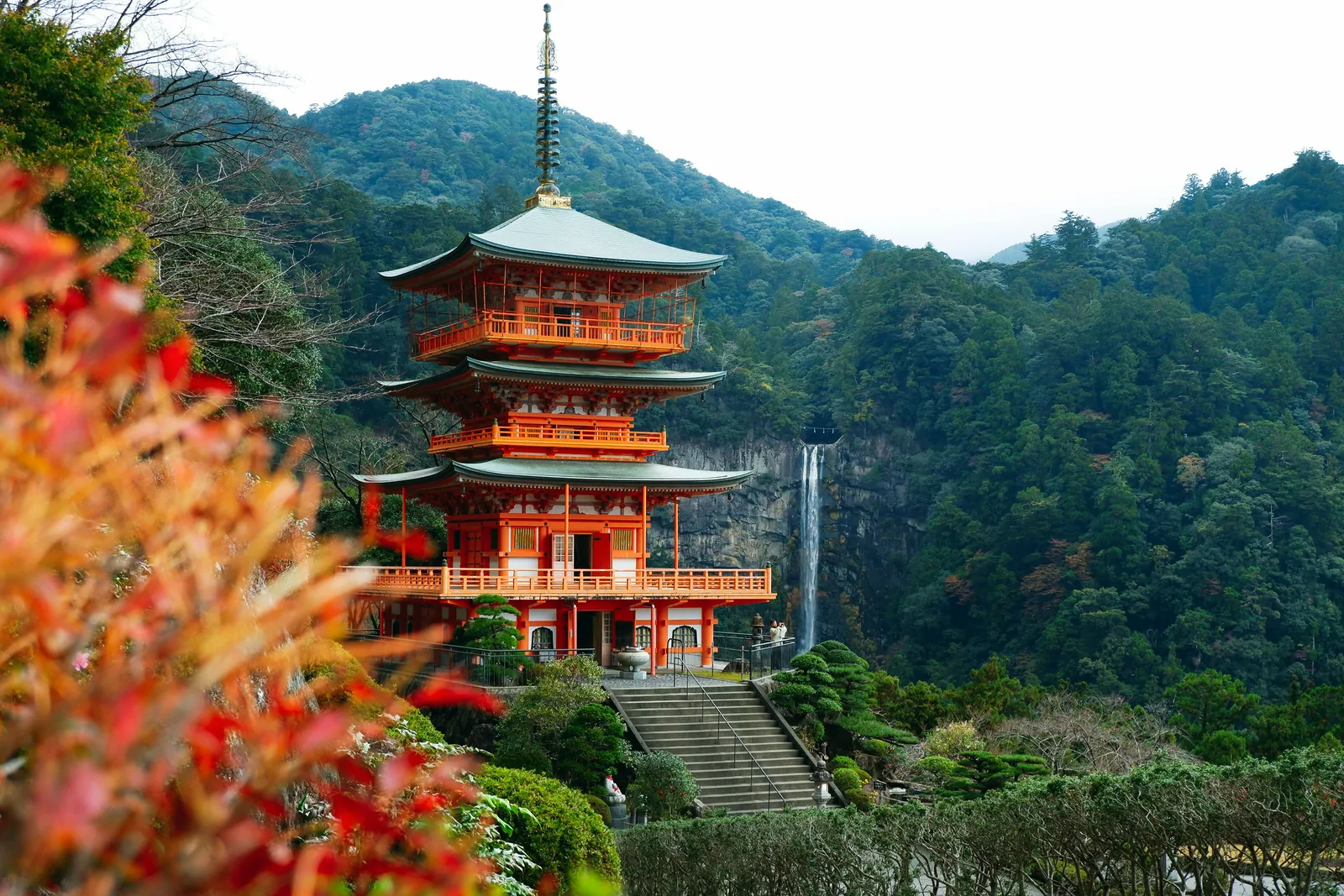
Three-storey pagoda of Seiganto-ji beside the Nachi waterfall among the mountains, in Wakayama prefecture

Wakayama: castle, sea and the Kii coast an hour from Osaka

The gateway to the Kii peninsula: a historic castle in the city, a coast of fishing villages and the sacred shrines of Kumano, with the Nachi waterfall as its icon.

Wakayama at a glance

Wakayama is the capital of the prefecture of the same name, south of Osaka, and the gateway to the Kii peninsula. The city revolves around its castle, built on the orders of Toyotomi Hideyoshi, but the great appeal of the area lies on the coast: the fishing villages of the peninsula, cliffs and rock formations facing the sea, and the sacred shrines of Kumano, crowned by the Nachi waterfall beside the Seiganto-ji pagoda. It is also the access point on the Nankai line to Mount Koya (Koyasan), one of the great centres of Shingon Buddhism.

The city of Wakayama is easily visited as a day trip from Osaka. The cheapest way to get there is the Nankai main line from Namba to Wakayamashi (about 970 yen, around an hour); on JR, the Kishuji Rapid departs from Osaka (~90 min, 1,300 yen) and the Limited Express Kuroshio is the fastest (~60 min). The castle is in the centre; the coast and the Kumano sites are more spread out across the prefecture, so it is worth planning trains and local buses carefully.

How many days should you spend in Wakayama? Calculate your budget and split your nights automatically.
Plan my trip →

Key Wakayama areas

Wakayama is split between the city castle and the open coast of the Kii peninsula: fishing ports, cliffs and small seaside shrines.

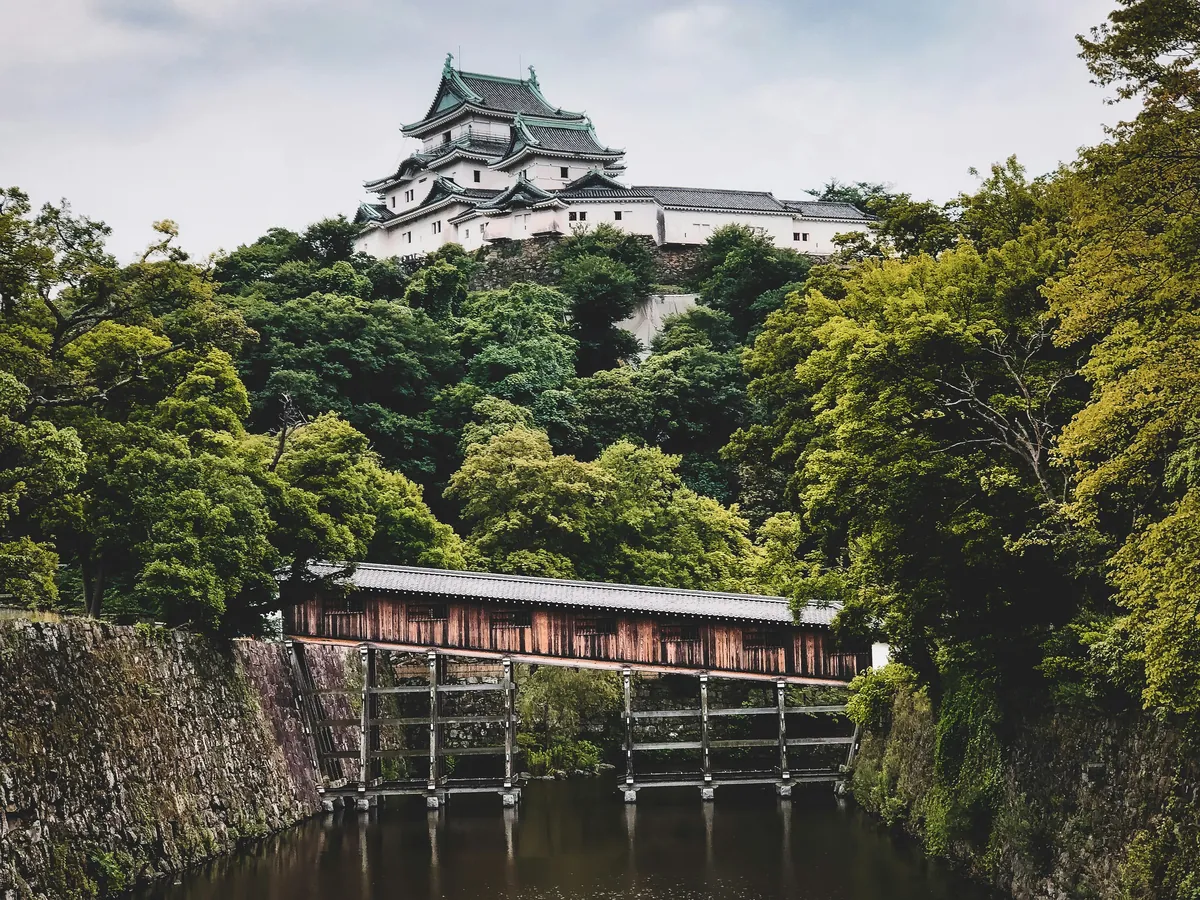
The white keep of Wakayama Castle on the wooded hill, with the covered Ohashi Roka bridge crossing the moat

Wakayama Castle

Toyotomi Hideyoshi ordered the castle built in 1585 to control the strategic Kii peninsula and entrusted the work to his brother. The main keep houses historical objects and offers panoramic views of the city from the upper deck. It preserves two original gates, strong stone walls and a singular covered bridge, the Ohashi Roka, that crosses the moat. The gardens are one of the most popular hanami spots in spring, and the Nishi-no-Maru garden turns red and gold in autumn.

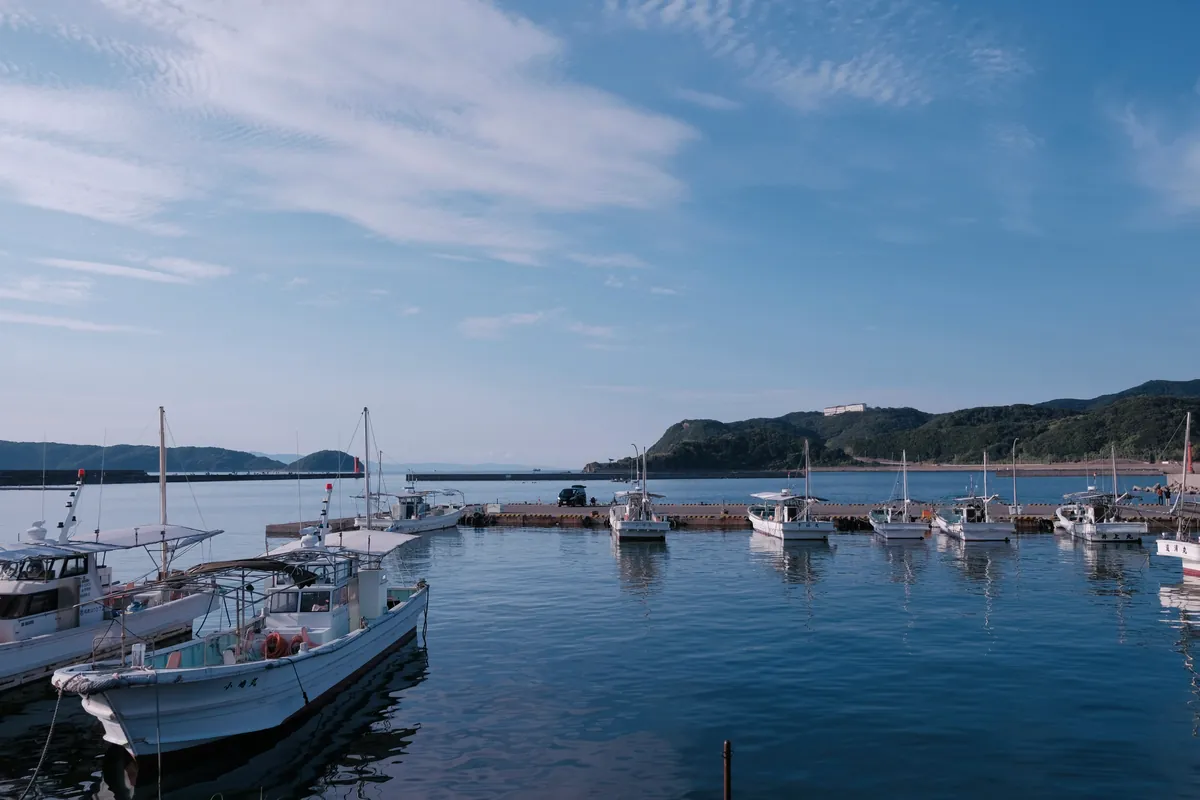
Fishing port with moored boats and a calm sea on the Wakayama coast

The coast and the fishing ports

Beyond the castle, much of Wakayama's appeal lies on its coastline. The Kii peninsula is dotted with small fishing ports where the boats unload the day's catch; the prefecture is one of the great seafood larders of Kansai, with tuna as its star product. Strolling through these ports, with the calm sea and the hills in the background, is one of the most peaceful and authentic plans in the area.

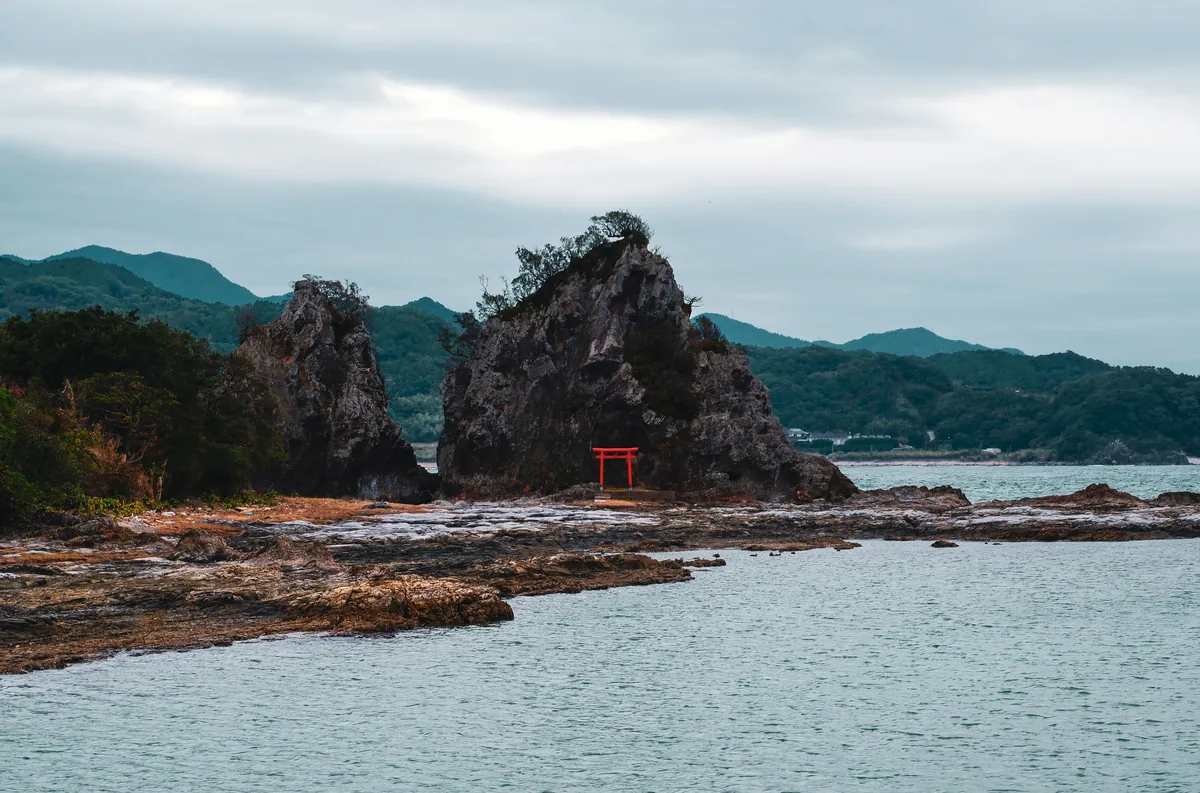
Small red torii among rock formations facing the sea on the Wakayama coast

Cliffs and seaside shrines

The Wakayama coast alternates beaches with stretches of rugged rock where the sea has sculpted islets and whimsical formations. Among them rise small torii and Shinto shrines facing the water, a reflection of the strong spiritual tradition of the peninsula, which culminates inland in the sacred paths of Kumano. They are ideal spots for those seeking coastal scenery and photography away from the major routes.

Activities and experiences in Wakayama

Recommended plans, sights and experiences, with budget guidance and direct links.

No activities are loaded for this city yet.

How to fit Wakayama into your itinerary

Wakayama is a day trip from Osaka for those who already know the essentials of Kansai and are after something quieter and more coastal. It fits well combined with Kyoto and Nara within an Osaka base, or as a prelude to a climb up Mount Koya on the Nankai line. To see how many days to give each stop, check the itineraries by duration.

Travel between cities

How much does the train to Wakayama cost? Check whether the JR Pass is worth it by adding Wakayama to your route.
Calculate JR Pass →

Frequently asked questions about Wakayama

How do you get to Wakayama from Osaka?

The cheapest option is the Nankai main line from Namba to Wakayamashi station (about 970 yen, around an hour). On JR, the Kishuji Rapid departs from Osaka every 15 minutes (~90 min, 1,300 yen) and the Limited Express Kuroshio is the fastest (~60 min, with a mandatory seat reservation). See the Japan transport guide →

Does the JR Pass cover the trip to Wakayama?

Yes for the JR part: the Limited Express Kuroshio and the Kishuji Rapid on the Hanwa line are covered by the JR Pass. The Nankai line, on the other hand, is private and not included in the pass. If you already have an active JR Pass, the Kuroshio is the best option.

Is it worth visiting Wakayama in a day?

For the city, yes: with a day there is time to see the castle in the morning and visit the nearby coast in the afternoon. But the prefecture is huge: the Nachi waterfall and the Kumano shrines lie to the south, several hours away, and are worth one or two more days. If Kumano is your priority, plan it as a separate trip.

Is Wakayama the same as Mount Koya (Koyasan)?

No. Mount Koya is in Wakayama prefecture, but it is a different destination in the mountains, the centre of Shingon Buddhism, reached by the Nankai Koya line. The city of Wakayama is the coastal capital of the prefecture. They can be combined, but they are two separate visits. See the Osaka guide →