
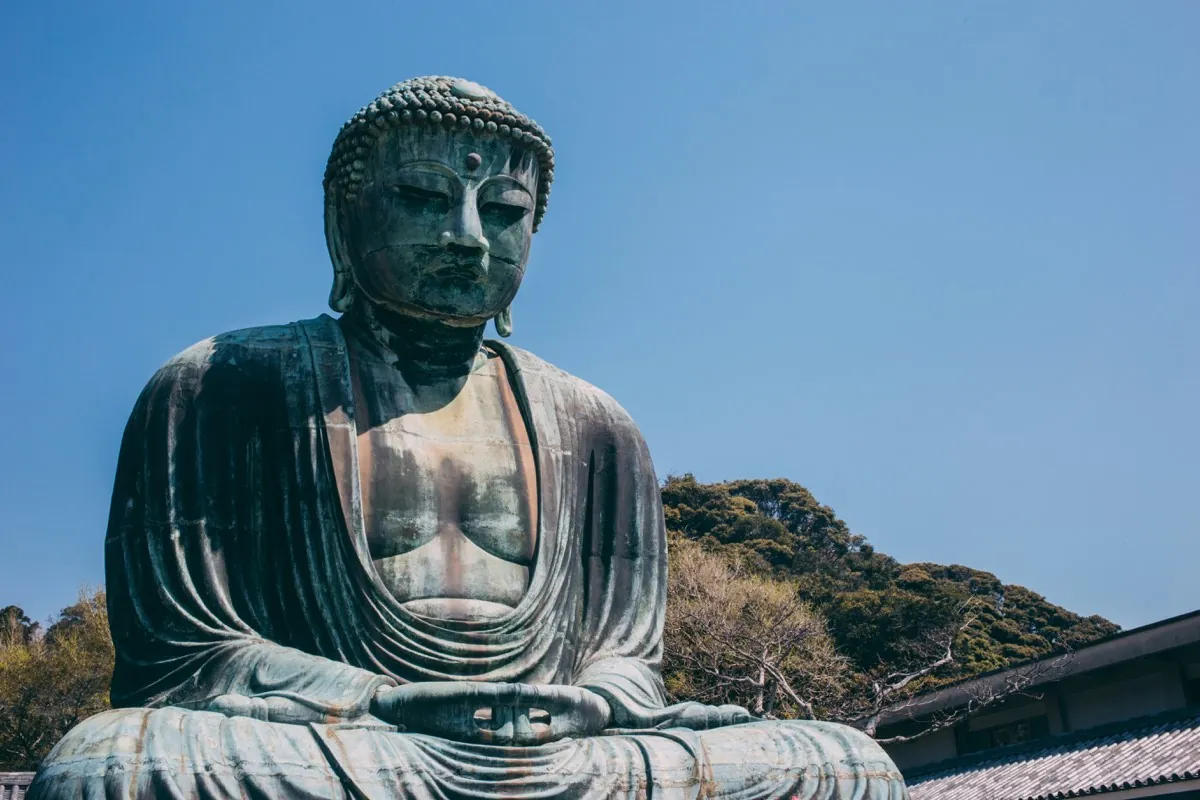
Great Buddha of Kotoku-in
The most famous bronze statue in Japan after the one in Nara: 13.35 metres tall, built in the 13th century. Unlike the Nara one, this is in the open air and you can step inside the torso.
Kamakura was the seat of the first shogunate in Japanese history between the 12th and 14th centuries. That legacy is reflected in more than 65 temples and shrines, the most famous bronze Great Buddha in the country and a network of hiking trails through hills that link the temples along historic paths.
Kamakura works perfectly as a day trip from Tokyo: the JR Yokosuka line connects it with Tokyo Station and Shinjuku in under an hour and it is covered by the JR Pass. If you stay overnight, combine it with Enoshima or the hiking trail between the northern temples.
See also: Day trip to Kamakura from Tokyo · Tokyo guide · Hakone guide
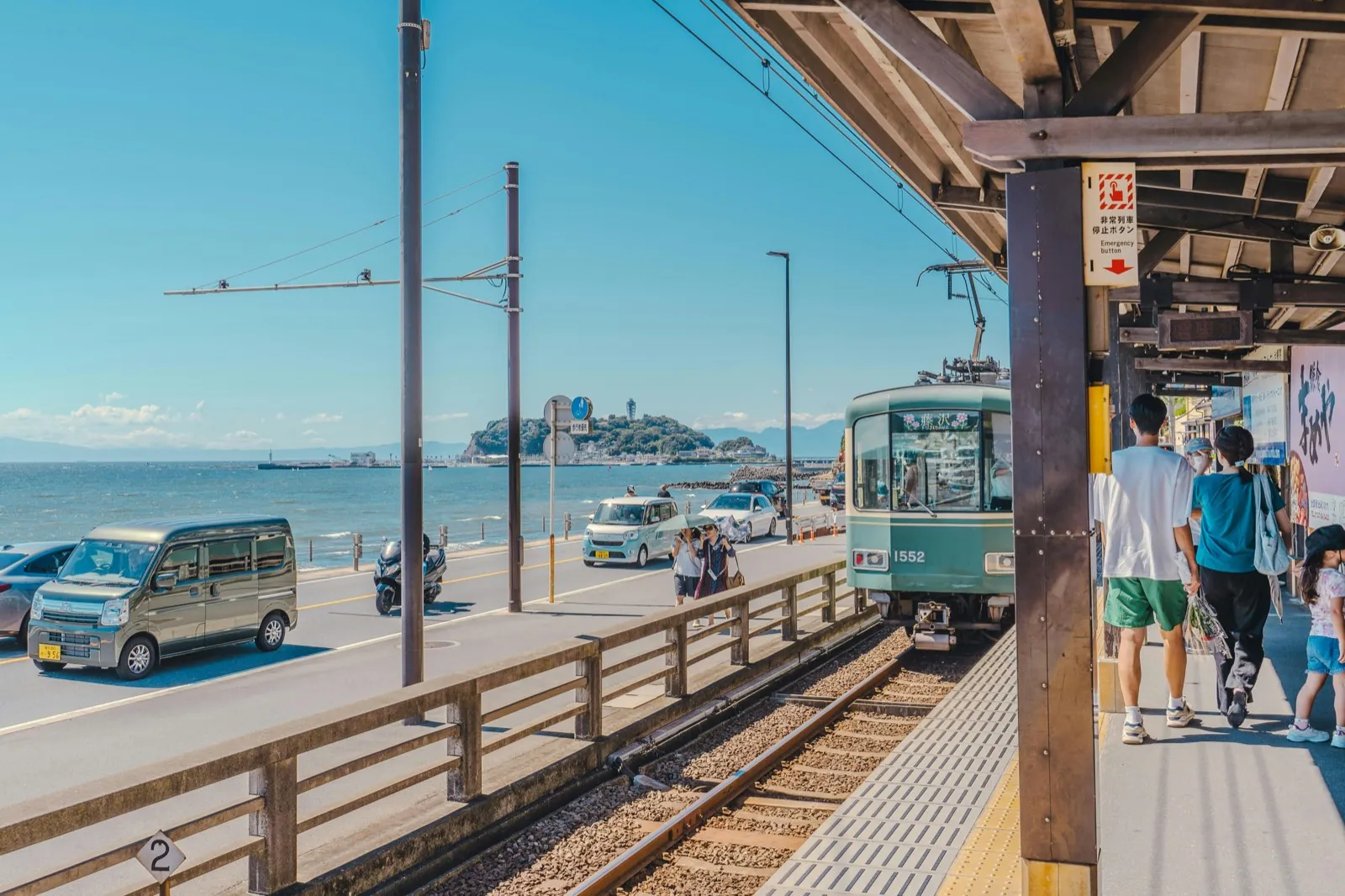
Kamakura is split between the historic centre (Hachiman-gu and the shopping area), the north (Kita-Kamakura and its Zen temples) and the west (the Great Buddha and Hase-dera). The Enoden coastal train links the shore.
The most famous bronze statue in Japan after the one in Nara: 13.35 metres tall, built in the 13th century. Unlike the Nara one, this is in the open air and you can step inside the torso.
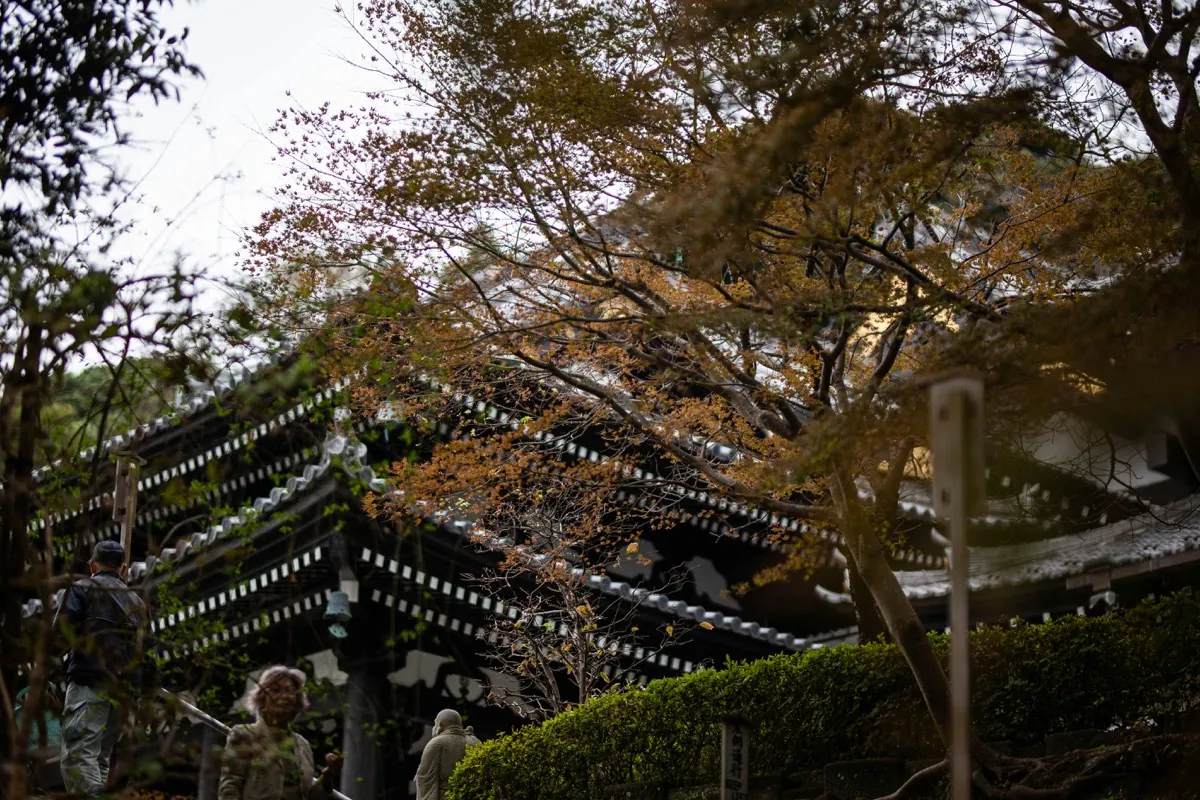
Kamakura preserves more than 65 temples and shrines: to the north, the great Zen temples of Kita-Kamakura such as Engaku-ji and Kencho-ji; to the west, Hase-dera with its viewpoint over the sea. Explore them early, when the gardens are almost empty.
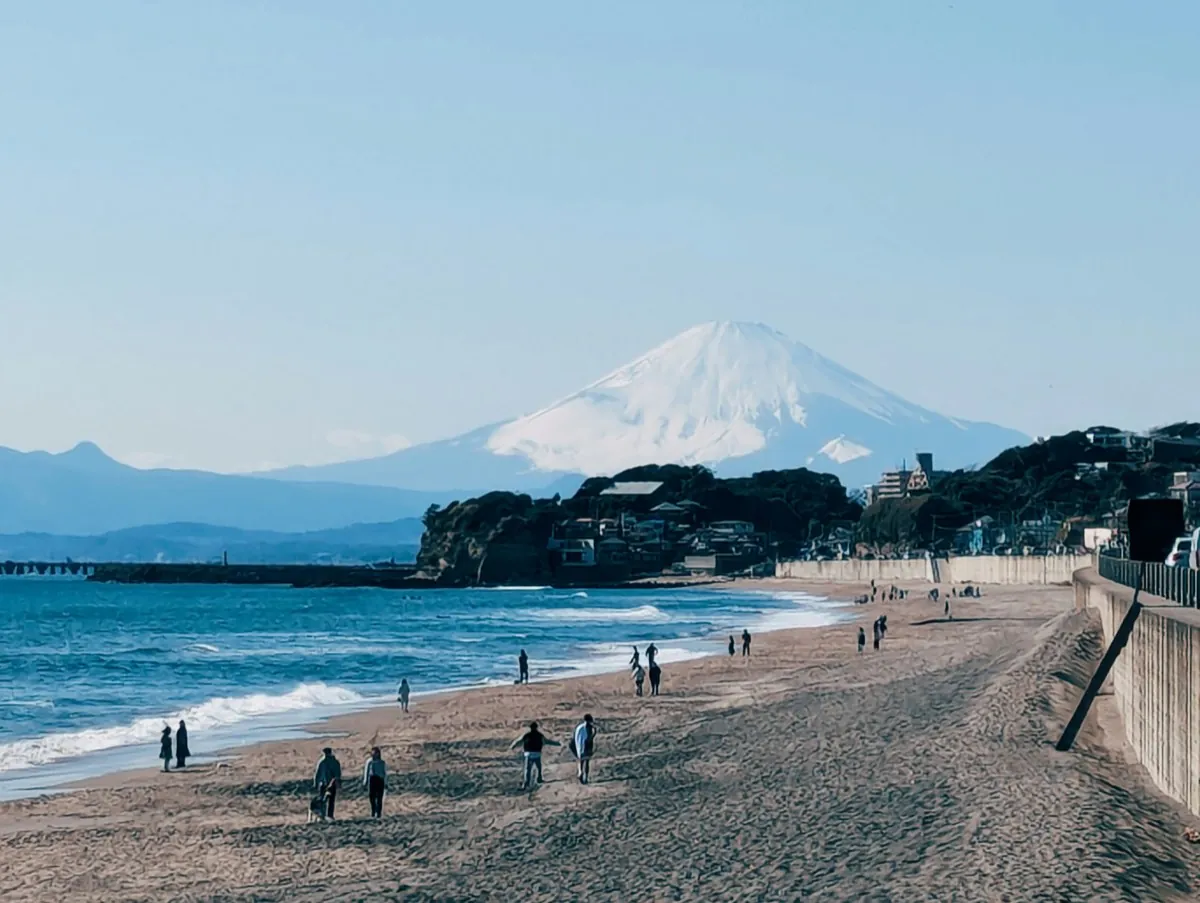
The Kamakura coast, traversed by the picturesque Enoden train, offers beaches such as Shichirigahama with views of Mount Fuji on clear days. In summer it fills with surfers and bathers; out of season it is a quiet walk by the sea.
Recommended plans, sights and experiences, with budget guidance and direct links.
Kamakura is the most popular day trip from Tokyo and can be combined with Yokohama in a single day. If your route includes Hakone, the stop at Odawara lets you chain both visits efficiently. Together with Nikko, it completes the classic trio of getaways from the capital. To see where to place this day, check the itineraries by duration.
Yes, it is one of the most convenient day trips: the JR Yokosuka line takes about 55 minutes from Tokyo Station or Shinjuku. Leaving in the morning gives you time to see the Great Buddha, the Kita-Kamakura temples and Komachi street without rushing. See the day-trip guide →
A full day is enough to see the Great Buddha, the Kita-Kamakura temples and take a walk along Komachi-dori. To include Enoshima or the hiking trails, it is worth staying overnight.
Yes, the JR Yokosuka line from Tokyo Station is covered by the JR Pass. The Enoden train that runs along the coast within Kamakura is not included and requires a separate (very cheap) ticket. Work out whether the JR Pass is worth it →
It is a bronze statue of Amida Buddha 13.35 metres tall, cast in the 13th century and located at Kotoku-in temple. Unlike the Great Buddha of Nara, it has been in the open air since a tsunami destroyed the building that covered it, and you can step inside the torso for a small fee.
Spring (cherry blossoms at Tsurugaoka Hachiman-gu) and autumn (foliage) are the most beautiful times, though also the busiest. In summer the beach draws many visitors from Tokyo at weekends. See when to travel to Japan →