

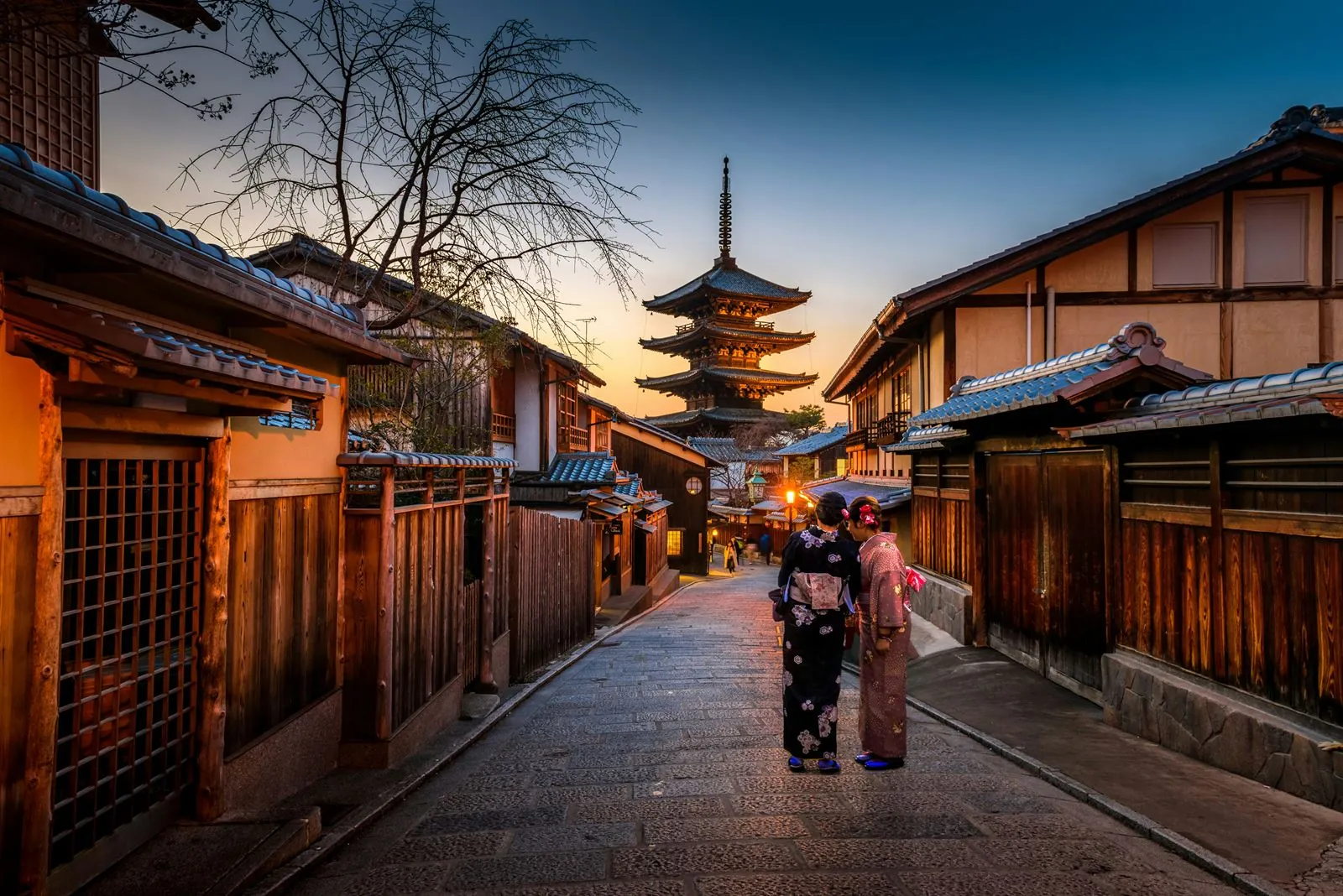
Temples and landscape of Kyoto, the city where the Fushimi Inari shrine is located

Fushimi Inari: complete guide

The most visited shrine in Japan, with thousands of orange torii climbing the mountain. Everything you need to know before going.

Fushimi Inari Taisha is the most visited Shinto shrine in Japan, with more than 3 million visits a year. Its thousands of orange torii in a row create one of the most photogenic settings in the world. It is free, open 24 hours and has far more than the typical photos everyone knows.

What Fushimi Inari is and what a torii is

A torii is the traditional gate that marks the entrance to a Shinto shrine in Japan. Its characteristic shape — two vertical columns joined by two horizontal bars — is one of the most recognisable symbols of the country. The orange-vermilion colour is not merely decorative: it represents the boundary between the everyday world and the sacred space.

Fushimi Inari Taisha is the Shinto shrine dedicated to Inari, the god of rice, business and prosperity. It is in the south of Kyoto, in the Fushimi district. The main precinct is at the foot of Mount Inari (233 metres), but the shrine extends across the whole hillside along a path covered by thousands of torii donated by companies and individuals over the centuries.

The exact number of torii at Fushimi Inari ranges between 5,000 and 10,000, depending on how you count them. They are continuously renewed: when a torii ages or deteriorates, the donor replaces it with a new one with their name inscribed on the base.

How to get there from central Kyoto

There are two train options from the centre:

  • JR Nara Line from Kyoto Station to Inari station (the second stop): about 5 minutes, 150 ¥ (around 0.8 €). The train exit arrives almost at the shrine gate. Covered by the JR Pass. Important: only local trains stop at Inari, not the rapid or express ones; check that you board a local train.
  • Keihan line to Fushimi-Inari station, a few minutes on foot from the shrine. Useful if you come from the Gion-Shijo area (through the centre), although it is not covered by the JR Pass.

By train it is much more practical than by taxi or bus. From Gion or Higashiyama you can also go by bicycle (about 20–25 minutes on flat paths).

What time to go: the 7am secret

Fushimi Inari is one of the most crowded places in Japan between 9:00 and 17:00. By 10 in the morning, the tour groups have arrived, the buses are parked and the torii tunnels of the lower area are packed with people.

The solution is simple: arrive before 8:00. At that hour, the lower torii — the most photogenic — have very few people. If you arrive at 7:00, you can have the first stretches almost to yourself for 30–40 minutes.

Another option is to go at dusk or at night. By nightfall, the daytime groups have left. The torii lit up at night have a completely different atmosphere — more mysterious, more peaceful. The precinct is open 24 hours.

How far to climb: options by how much time you have

The path ascends the mountain in a loop of about 4 km. There is no single destination — you can climb as far as you want and turn back. This table helps you plan it:

PointTime from entranceWhat is therePeople
Main shrine0–5 minMain precinct, golden fox, food stallsVery high
Senbon Torii (lower area)10–15 minThe most photographed torii tunnelsVery high (9h–17h)
Okushamura20–25 minSecondary shrine, first quiet stretchesHigh
Yotsutsuji (junction)30–40 minViews of Kyoto, rest area, cafeMedium
Middle shrines60–80 minTorii with no crowds, cedar forestLow
Ichinomine (summit)90–120 minSummit shrine, almost total silenceVery low

If you have 1 hour: arrive at 7:00, climb to Yotsutsuji and come back. If you have 2–3 hours: climb to the summit and complete the loop. The torii of the upper stretches are equally impressive and have far fewer people.

Beyond the photo: details almost no one sees

Most visitors take the photo at Senbon Torii and leave. But the shrine has corners worth seeking out:

  • Omokaru-ishi: at Okusha Hohaisho there are two stones on stone lanterns. Tradition says to make a wish and lift one: if it weighs less than you expected, it will come true. It is one of the most beloved rituals of the shrine.
  • The fox-shaped ema: wooden tablets in the shape of a fox's face where visitors draw their own expression and write a wish. The fox (kitsune) is the messenger of Inari and you will see statues of it all over the precinct, many with a rice-granary key in their mouth.
  • The small hillside shrines: between Yotsutsuji and the summit there are dozens of private mini-shrines (otsuka) covered in moss. Almost no one climbs up here; it is the most atmospheric part of the whole mountain.
  • The Yotsutsuji views: the junction offers the best panorama of Kyoto on the route, ideal at dusk.

Combining it with the surroundings

Fushimi Inari is in the south of Kyoto, so it is worth chaining it with nearby places rather than crossing the city:

  • Tofuku-ji: one train stop away. It is one of the best temples in Kyoto for the autumn momiji, with a bridge over a valley of maples.
  • The Fushimi sake district: south of the shrine, one of Japan's great sake-producing areas, with historic breweries open to visit and canals with boats.

Chaining these points on a single outing to the south fits very well when organising the areas of Kyoto by day. Fushimi Inari is also one of the essential stops among the places to see in Japan on a first trip.

Practical information

  • Entry: free. Open 24 hours.
  • Footwear: the path is paved but there are uneven steps. Comfortable trainers, not platform sandals.
  • Water: there are vending machines in the lower area and halfway up. In summer carry water from the bottom.
  • Photography: to get photos of the tunnels without people, climb beyond Yotsutsuji or go very early. The upper stretches have equally impressive torii with far fewer people.
  • Food: on the approach street to the shrine there are stalls of fox-shaped yakitori (the messenger animal of Inari) and other local snacks. The fox is the symbol of the shrine — you will see statues all over the precinct.

Activities to book

Experiences related to this guide. Book ahead to secure your spot on your travel dates.

Fushimi Inari Taisha
Kyoto · Temples & castles · Shinto shrine famous for its thousands of orange torii on Mount Inari; free access 24 hours, ideal at dawn.
Free
Gekkeikan Okura Sake Museum (Fushimi)
Kyoto · Museums · Museum in the historic Gekkeikan brewery in the sake district of Fushimi; admission ~300 ¥ with tasting included.
1 - 1.499 JPY
Include Fushimi Inari in your itinerary through Japan The planner works out how many days in Kyoto you need and generates the full itinerary.
Plan my trip

More travel guides

Frequently asked questions

What is a torii in Japan?

A torii is the traditional gate that marks the entrance to a Shinto shrine. Its shape of two columns with two horizontal bars is one of the most recognisable icons of Japan. The orange-vermilion colour symbolises the boundary between the everyday world and the sacred space. Fushimi Inari has between 5,000 and 10,000 torii climbing the mountain, each donated by companies or individuals. It is in the south of Kyoto.

How much time do I need to visit Fushimi Inari?

With 1 hour you see the lower torii and reach Yotsutsuji (views of Kyoto). With 2–3 hours you can do the full climb to the summit and go round the whole loop. Most travellers spend 1h30 and climb to the junction. See how many days to spend in Kyoto to plan your visit.

Does Fushimi Inari have an entry fee?

No. Entry is completely free and the shrine is open 24 hours, every day of the year, including public holidays.

What time are there fewer people at Fushimi Inari?

Before 8:00 in the morning or after dusk. At 7:00 you can have the first stretches almost to yourself for 30–40 minutes. At night the precinct is lit and has a completely different atmosphere from the day.

Do you have to climb to the top of the mountain?

It is not compulsory. Most people stay in the lower area or climb to Yotsutsuji (40 min). The summit (Ichinomine) at 2–3 hours is worth it if you have time: the torii of the upper stretches are equally beautiful and there is almost no one.

How do you get to Fushimi Inari from Kyoto Station?

The JR Nara Line from Kyoto Station reaches Inari station in 5 minutes (150 ¥, ~0.8 €). The train exit is 2 minutes on foot from the shrine entrance. It is the fastest and cheapest way. With a JR Pass it is included.

Can you visit Fushimi Inari at night?

Yes. The shrine is open 24 hours and some stretches are lit. The torii at night have a much calmer and more mysterious atmosphere. It is a different experience — especially recommended in summer to avoid the daytime heat.

What is the best time of year to visit Fushimi Inari?

The seasons with low mist (November and December) give the torii an especially photogenic atmosphere. In spring, the cherry trees around the shrine bloom. In summer the green is intense. Winter with occasional snow is perhaps the most special time — but unpredictable.